
A great window wash solution is only half the job. To get clean windows without streaks, you also need the right timing, tools, and drying method—especially if your house has hard water, sunny exposures, or exterior windows that collect pollen and dirt.
Key Takeaways
The most effective window cleaning solutions can be mixed at home or purchased, including homemade window cleaner recipes with vinegar, dish soap, rubbing alcohol, and distilled water.
The best results come from technique: avoid direct sunlight, work one pane at a time, use a squeegee, and hand dry the edges with a microfiber cloth.
For hard water stains and water spots, use a 50-50 mixture of vinegar and water instead of a basic soap solution.
Commercial glass cleaner can be helpful for convenience, heavy residue, or exterior glass, but avoid ammonia on tints and specialty coatings.
My Window Washing has opened a new location in downtown Chicago, making professional window cleaning easier for residents and businesses in the Loop.
What Makes a Great Window Wash Solution?
A good cleaning solution must cut grease, lift dirt, and dry quickly. If it leaves residue behind, you will see streaks as soon as the sun hits the glass.
Fast-evaporating ingredients like isopropyl alcohol or rubbing alcohol help the solution dry quickly and reduce leaving streaks in warm weather.
Mild surfactants like dish soap or dish detergent loosen dust, fingerprints, and oily build up. Liquid dish soap cuts through waxy buildup from old commercial cleaners.
Mineral-fighting acids like vinegar and white vinegar help dissolve hard water deposits.
A safe window wash solution should be diluted enough for common glass surfaces and frames, including vinyl, painted wood, and aluminum.
Basic soap and water can wash windows, but too much soap creates film. Dirty paper towels, old rags, and cleaning windows in direct sun are also common causes of streaks.
According to glass industry guidance from the National Glass Association, homeowners should be careful with specialty coatings, tinted glass, and abrasive tools.
DIY Window Cleaner Recipes That Actually Work
These recipes are simple enough to mix in a spray bottle or bucket, and each one works best for a different kind of window cleaning job.
Recipe | Mix | Best for |
|---|---|---|
Vinegar glass cleaner | 1 cup white vinegar + 1 cup water + optional 1 teaspoon dish soap | Light grime, mirrors, sliding glass doors |
Alcohol streak free cleaner | 1 cup water + 1 cup 70% isopropyl alcohol + 1 tablespoon white vinegar | Interior windows, car windows, warm days |
Mild soap wash | 1 gallon warm water + nickel-sized squirt of dish soap | Outside windows and heavy exterior dirt |
Mix one teaspoon of dish soap with a gallon of water when you want a mild, low-suds wash. Use warm water, not hot water, for most windows; hot water can evaporate too fast and create streaks. Homemade window cleaner can be made with water and isopropyl alcohol, and adding rubbing alcohol to window cleaning solution helps prevent streaks in warm weather.
Tap water contains minerals that leave white spots on windows, so use distilled water when possible. Professionals use distilled water instead of tap water to prevent mineral streaks, and soft water is also better than mineral-heavy water. Let homemade cleaner sit for several seconds before wiping so it can loosen dirt.
Best Tools to Use With Any Window Wash Solution
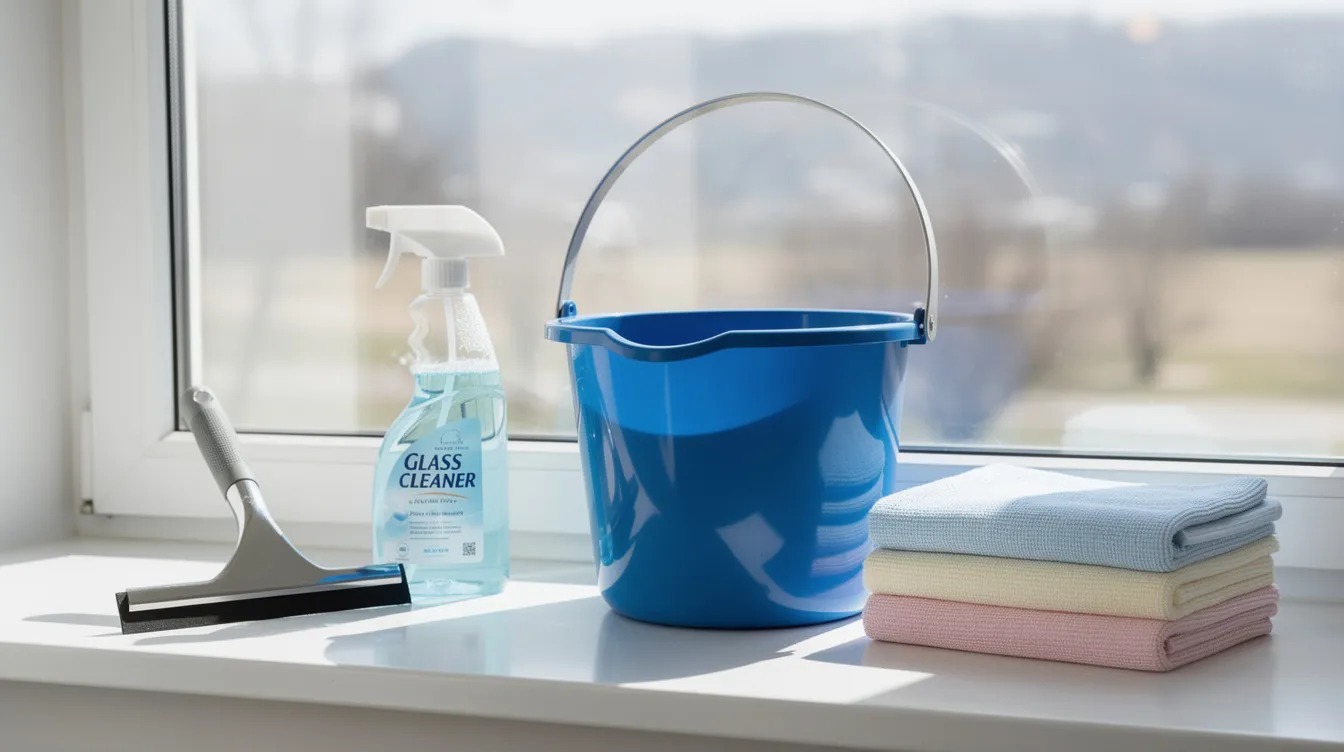
Even the best window cleaner fails if you apply it with the wrong cloths or let it air dry. A basic window washing kit includes a bucket and squeegee, plus microfiber towels for drying.
You will need:
A 10-to-12-inch squeegee for residential windows
A clean bucket
A high-quality spray bottle for interior glass cleaner
Microfiber cloths or lint free cloths
A sponge mop or scrubber for exterior glass
A soft bristle brush or soft brush for caked-on dirt
A hose for rinsing exterior surfaces
A 10-to-12-inch squeegee helps clean exterior windows effectively. Use a 10-to-12-inch rubber-bladed squeegee for effective cleaning, especially on outside windows. Microfiber cloths are excellent for lint-free window cleaning, and using microfiber cloths avoids lint and streaks better than paper towels. Use a microfiber cloth to avoid lint when cleaning windows, and use a microfiber cloth to avoid lint on windows during the final wipe.
Avoid using fabric softener on cleaning cloths to prevent streaks. Fabric softener leaves a coating on fibers, which can transfer to glass.
For upstairs windows, tall panes, or hard-to-reach exterior windows, extension poles and ladder stabilizers are helpful. If safety is questionable, hire a professional instead of stretching from a ladder.
Step-by-Step: How to Wash Windows Like a Pro
These window cleaning tips will help you clean all the windows in a consistent, streak free way.
Prep the area. Remove dust from frames and sills, take out screens, and place towels under interior windows to catch drips.
Pick the right time. Avoid cleaning windows in direct sunlight to prevent streaks. Clean windows on cloudy days or when shaded for optimal results. Early morning or late afternoon is ideal for window cleaning.
Watch the weather. A cloudy day is better than a sunny day because cleaner does not evaporate while the sun is shining directly on the glass.
Apply cleaner to one window at a time for best results. Use a spray bottle for interior glass and a bucket with a sponge mop or scrubber for exterior windows.
Wash from top to bottom. This prevents dirty solution from dripping over areas you already cleaned.
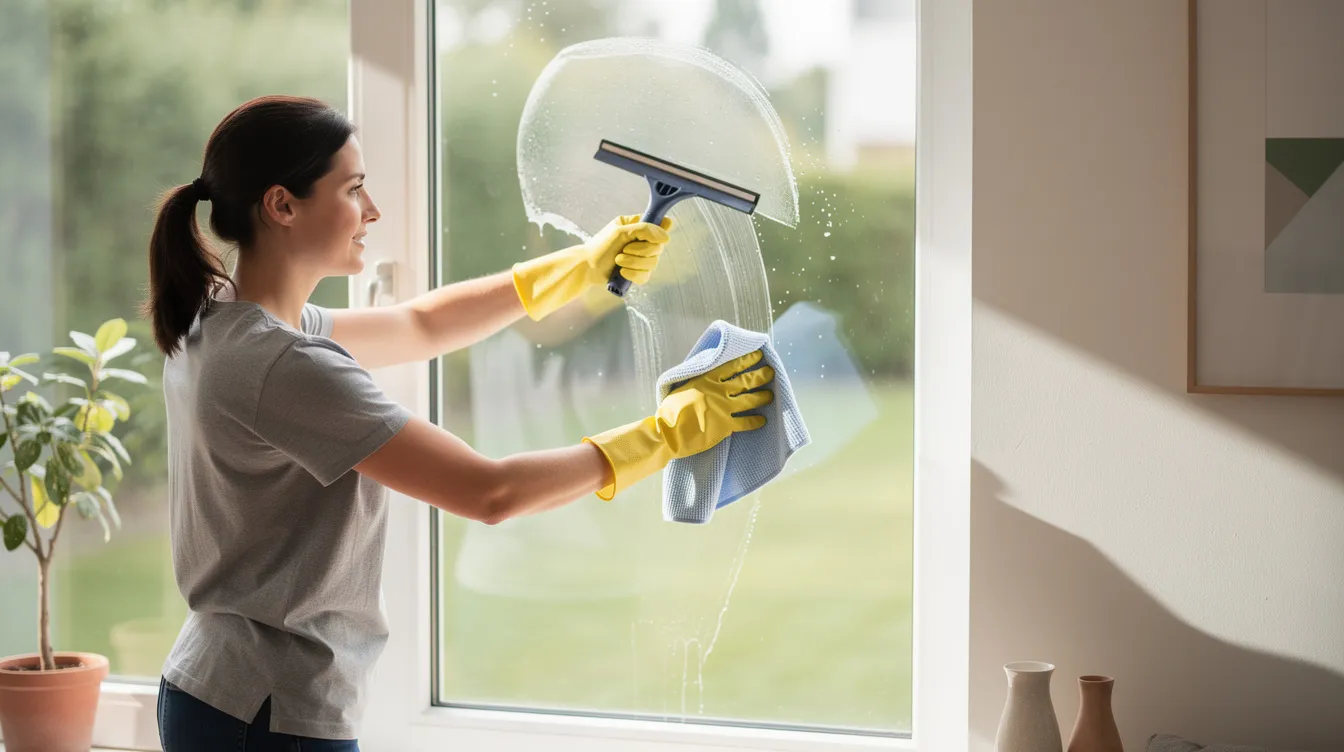
Squeegee correctly. Start at the top corner and pull in smooth, overlapping strokes. Wipe the blade with a dry microfiber cloth between passes.
Dry the details. Do not let edges air dry. Hand dry corners, frames, and sills with clean microfiber towels.
Clean windows in spring and fall for best results. In most homes, spring removes winter grime, while fall clears pollen, dust, and residue before cold weather.
Dealing With Streaks, Smears, and Hard Water Spots
Most streaks come from too much soap, dirty towels, skipped rinsing, or cleaning in hot sun. If the glass looks smeared, lightly spray an alcohol-based glass cleaner, then buff with a dry microfiber cloth until clear to avoid DIY window cleaning mistakes.
Hard water stains look chalky or cloudy because calcium and magnesium dry on the glass. These water spots often appear near sprinklers, bathroom windows, and lakefront homes. A 50-50 mixture of vinegar and water removes hard water spots. Use a mixture of vinegar and water for cleaning by applying it with a sponge, letting it sit several minutes, scrubbing gently with a non-scratch pad, then rinse and dry.
Very old hard water stains may be etched into the glass. At that point, a diy window cleaner may not be enough, and professional restoration may be needed. This is where elbow grease helps, but aggressive abrasives can scratch glass, so be careful.
Choosing Between Homemade and Commercial Glass Cleaners
Homemade solutions are an excellent choice when you want a non toxic cleaner at a cheaper price with fewer harsh chemicals. They also let you control scent, strength, and ingredients.
Commercial glass cleaner is better when you want convenience or a specially formulated product for heavy residue. Products such as sprayway glass cleaner are popular for quick interior touchups, while commercial-grade window cleaning requires solutions that cut through heavy residue without leaving streaks.
Avoid ammonia-based cleaners on tinted glass, window film, and some specialty coatings. Ammonia-based cleaners can damage window tints and degrade rubber squeegee blades. Harsh ammonia-based or heavy alcohol-based cleaners can degrade window tint and rubber seals. If you have coated glass, check the manufacturer's instructions first.
For large properties, storefronts, or heavily soiled exterior glass, professional window cleaning with pro tips for a streak-free shine can create sparkling clean windows faster and more safely than DIY.
How Often Should You Clean Your Windows?
How often you clean your windows depends on traffic, trees, weather, and exposure.
Exterior windows should be cleaned at least twice a year, usually in April–May and September–October. Interior glass in kitchens, living rooms, entry doors, and sliding glass doors often needs cleaning every 4–8 weeks.
Clean more often if your home is near a busy road, near the Chicago lakefront, or where sprinklers hit the glass. These conditions add dirt, mineral deposits, and hard water build up faster.
Scheduling professional window cleaning in Chicago and the suburbs at least once a year gives your house a deep, streak free reset, especially before parties, real estate photos, or seasonal maintenance.
When to Call the Pros (And Our New Downtown Chicago Location)
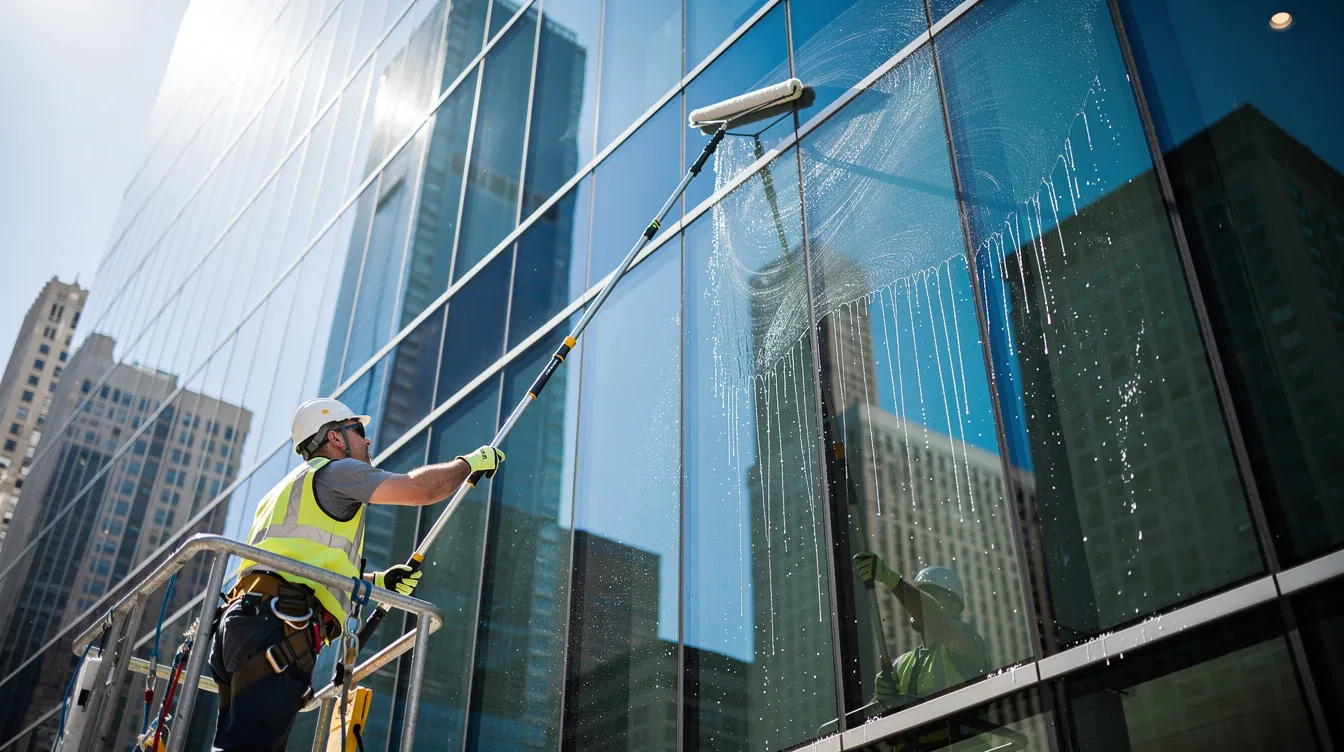
Some jobs require professional-grade solution, safety training, and tools. DIY is not ideal for high-rise condos, skylights, storm windows, delicate coatings, or heavy hard water scaling.
Professional cleaners use commercial-grade window wash solution, purified water systems, and specialized squeegees to create a true streak free finish. They can also handle exterior work safely when ladders, poles, or roof access are involved.
My Window Washing has opened a new window washing and gutter cleaning location in downtown Chicago, making it easier for residents and businesses in the Loop and nearby neighborhoods to schedule expert window cleaning. If you want clean glass without the risk, contact My Window Washing for a quote.
FAQ
Here are quick answers to common questions homeowners ask before they wash windows.
Can I use newspaper instead of paper towels to dry my windows?
Newspaper used to work well, but modern inks and thinner paper can leave residue on glass. Microfiber cloths or high-quality paper towels are better for streak free results because they absorb moisture without lint.
Does rain right after cleaning make my windows dirty again?
Light rain usually does not ruin clean glass. Most spotting comes from dirt, pollen, hard water, or grime already sitting on frames and sills, which is why washing the frames matters.
Is it safe to use the same cleaning solution on mirrors and glass shower doors?
Most vinegar or alcohol-based diy window cleaner recipes work on mirrors and shower glass. Shower doors may need more dwell time because soap scum and mineral build up are tougher than normal dust.
Can I wash windows in winter or very cold weather?
Avoid freezing weather because water and cleaning solution can ice over before you wipe or squeegee. Wait for a mild day, clean when the glass is shaded, or hire professionals equipped for cold-weather work.
Do wood window frames need a different cleaning solution than vinyl or aluminum?
Finished wood should be cleaned with a well-wrung cloth and mild detergent solution so moisture does not soak in. Vinyl and aluminum are more forgiving, but you should still rinse cleaner off frames and dry them instead of letting solution sit.